
My scholarship is interdisciplinary by nature.
While I specialize in early modern Europe and the Atlantic world at large, I pay especial attention to the complex entanglements between art, identity, and the environment.
DISCOVER
-
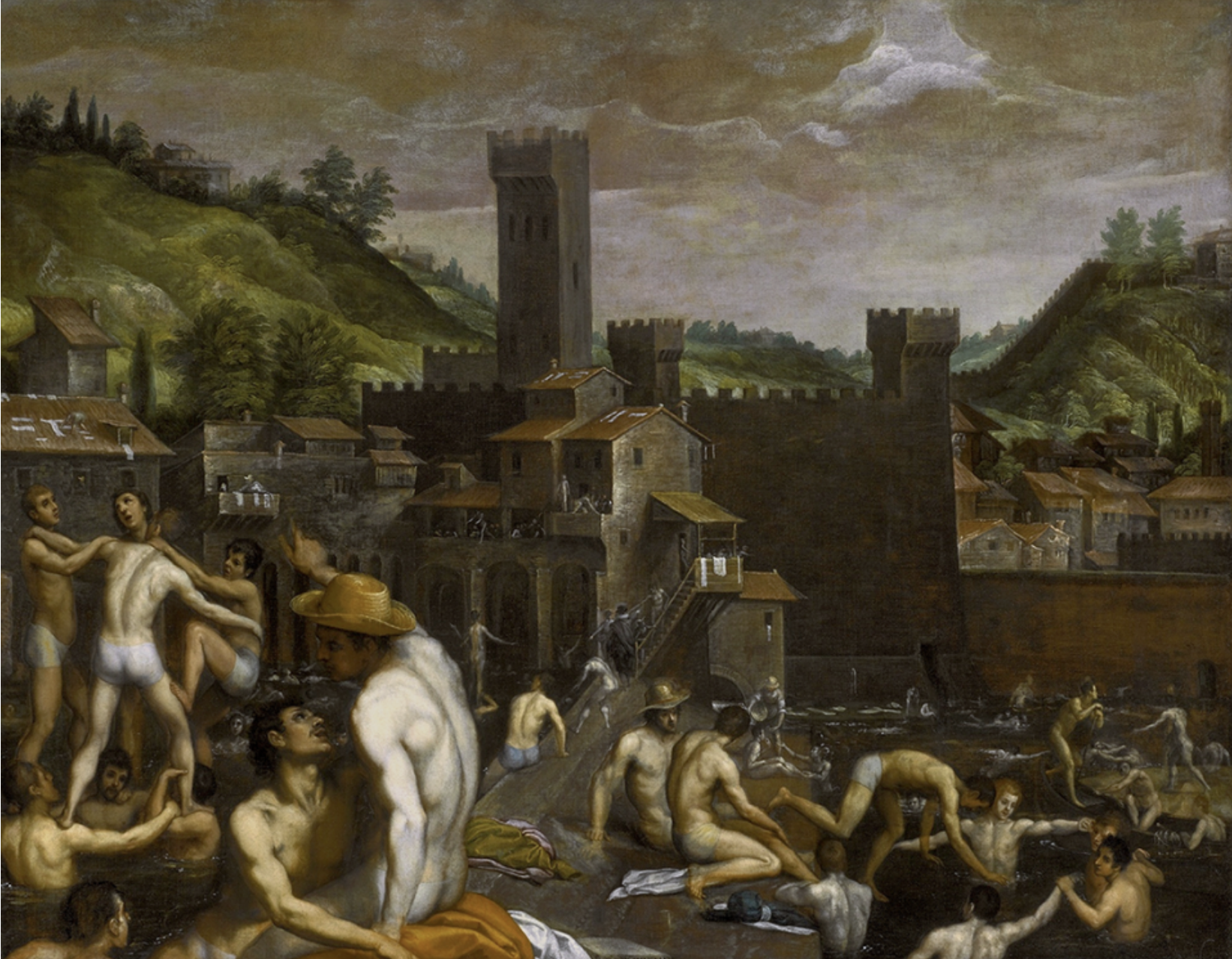
Bound By Water: Towards A Queer Philology of Liquid Homosexualities
Many images of early modern homoeroticism are set around bodies of water. From Domenico Cresti’s Bathers at San Niccolò to Dürer’s Bathhouse, scenes with palpable same-sex attraction are often animated by the movement of water, in ponds, lakes, and brooks. With examples of how homoeroticism took on liquid qualities, this article argues that much more is going on when queer bonds are visualized in the early modern world.
-
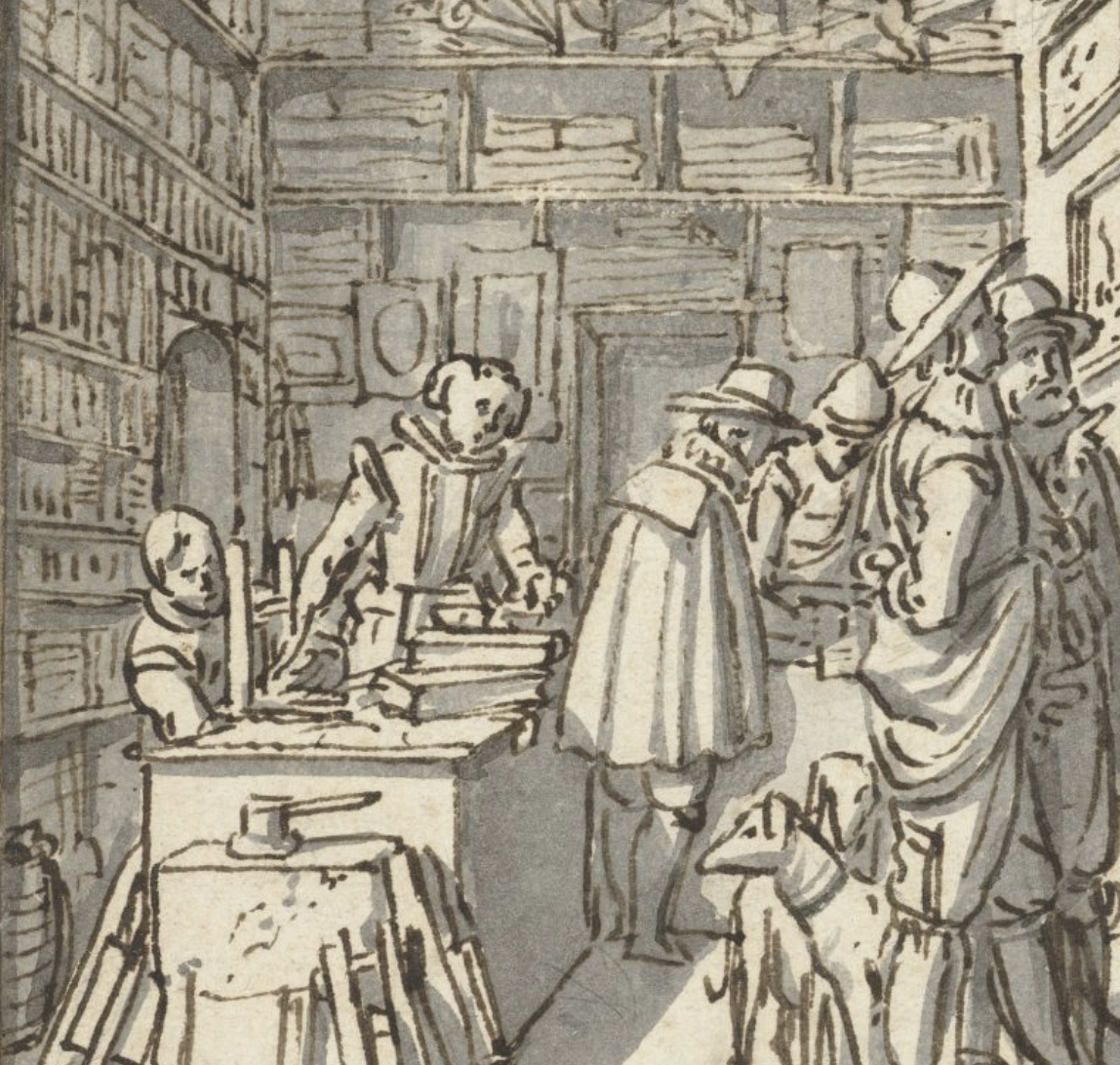
Economic Histories of Netherlandish Art
This state-of-the-field article surveys the economic histories of Netherlandish art. Tracing major contributions by scholars following in the footsteps of Michael Montias, we present the developments of art historical econometrics and consider the evolving ways in which economic analyses address topics such as supply, demand, price, labor, and form. We show the various applications of economic methods and pay particular attention to the interrelations between quantitative research and other modes of inquiry: archival, technical, biographical, stylistic, digital, regional, global, and so forth.
-
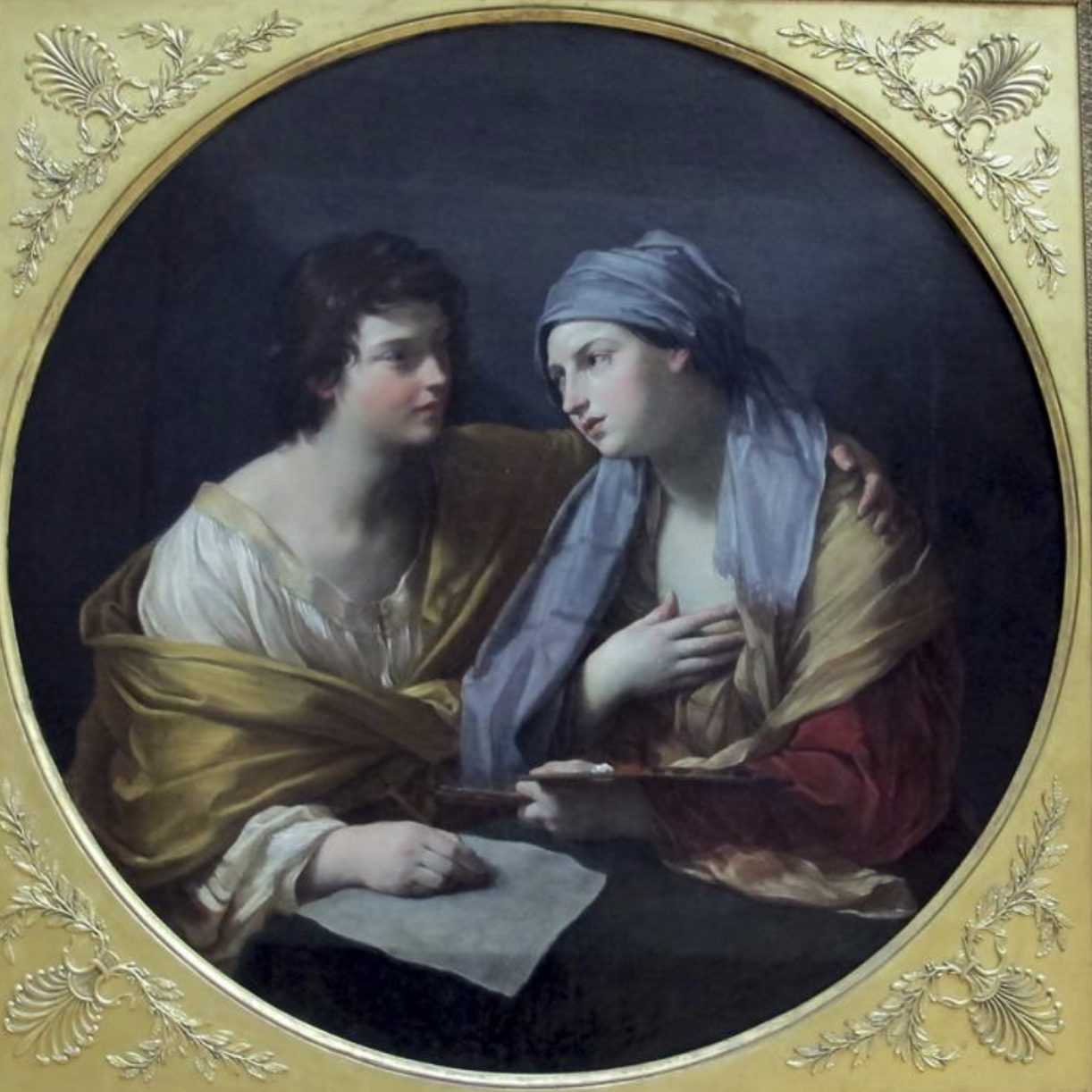
Guido Reni's Compendio: Disegno, Colore, and the Ideal Union of Art
This article offers a belated reading of Guido Reni's Union of Disegno and Colore. I argue that Reni's painting, though allegorical by nature, is a visual summary of his biography and artistic consciousness. Although the concept of compendio (compendium) is key to early modern Bolognese art historiography, it has yet to be analyzed closely, let alone applied to the many messages conveyed through Reni's Union.